Most homes have at least one space that is not being used to its full potential. It might be a spare bedroom that has become a storage room, an awkward corner that collects clutter, a second living area that rarely gets used or an outdoor space that feels disconnected from the rest of the home.
The good news is that turning these areas into more practical, inviting spaces does not always require a major renovation. Often, it comes down to giving the space a clear purpose, improving how it feels and making it easier to use every day.
Whether you are planning to stay and enjoy your home for years to come or preparing to sell, rethinking underused spaces can make your home feel more functional, more liveable and more appealing.
Why underused spaces matter
A well-used home is not necessarily the biggest home. It is the one where each area has a purpose.
When a room or corner feels forgotten, it can make the home feel smaller than it really is. Buyers may walk through and see wasted space, awkward proportions or areas they do not know how to use. On the other hand, when these spaces are thoughtfully presented, they can help people imagine how the home could work for their own lifestyle.
This is especially important in family-focused suburbs where buyers are often looking for flexibility. They may want a work-from-home space, a second living area, a kids’ zone, a quiet reading spot, extra storage or an outdoor area that feels genuinely usable.
Start with how you actually live
Before changing an underused space, think about what your home is currently missing.
Do you need somewhere quiet to work? A better place for school bags and shoes? A guest room that does more than sit empty? A more inviting outdoor area for coffee, reading or weekend entertaining?
The best use of a space should make everyday life easier. A beautiful room that nobody uses will quickly become forgotten again. Instead, focus on practical improvements that suit the way you live.
For some households, that might mean turning a formal dining room into a relaxed second living area. For others, it could mean creating a study nook, hobby space, play area, home gym or extra storage zone.
Make spare rooms work harder
Spare bedrooms are one of the most common underused areas in a home. They often become a place for boxes, washing, old furniture and things that do not have a proper home.
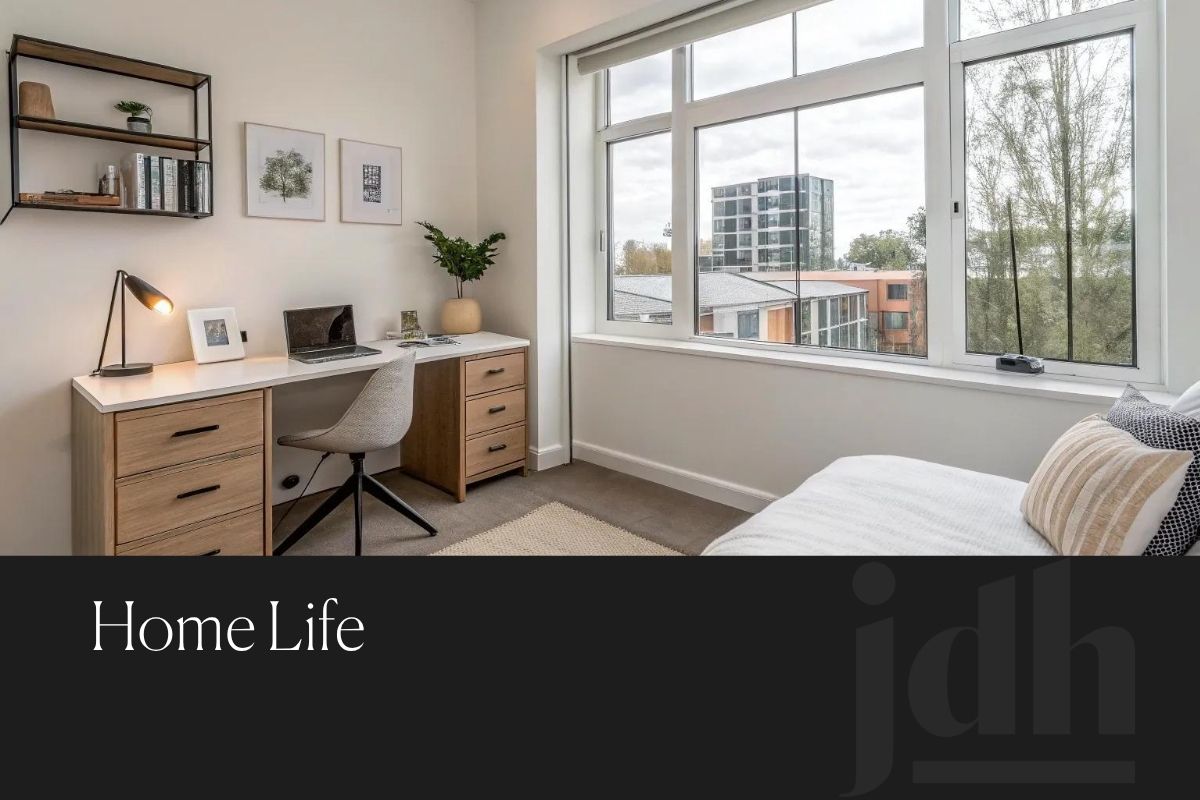
A more effective approach is to make the room multi-purpose. A spare bedroom can still work for guests while also becoming a home office, study space, sewing room, reading room or quiet retreat.
The key is to keep the layout simple and flexible. A sofa bed, a neat desk, built-in or freestanding storage and good lighting can completely change the way the room feels. It also helps the space remain easy to understand if you are preparing the home for sale.
Use awkward corners with purpose
Not every useful space needs to be a full room. Some of the most effective improvements happen in smaller areas.
An empty landing, hallway end, alcove, bay window or space under the stairs can become a study nook, display area, reading corner, storage zone or practical drop station for keys, bags and shoes.
These areas often need very little to become useful. A slim desk, floating shelves, a comfortable chair, a built-in bench, hooks or cabinetry can make the space feel intentional rather than accidental.
When done well, these smaller zones can add character and make the home feel more considered.
Give utility areas a lift
Garages, laundries and utility spaces are not always the most glamorous parts of a home, but they can make a big difference to how functional the property feels.
A garage with proper shelving, wall storage or a clear workbench can become far more useful than a cluttered space with no system. A laundry with better storage, bench space and ventilation can feel less like a forgotten corner and more like a practical part of the home.
Even simple changes can help. Decluttering, repainting, improving lighting, adding storage baskets or installing hooks can make these areas feel cleaner, more organised and easier to use.
If you are preparing to sell, these spaces should not be ignored. Buyers notice storage, practicality and how well a home has been cared for.
Make outdoor areas more liveable
Outdoor spaces can easily become underused if they are too exposed, too bare or difficult to access. A balcony, courtyard, covered patio, side passage or lawn area can become far more inviting with the right setup.
Start by thinking about how the space could be used. Could it become a morning coffee spot, a casual dining area, a place for children to play or a quiet spot to unwind?
Seating, shade, lighting, greenery and weather protection can all make an outdoor area feel more connected to daily life. Even a small balcony can feel valuable when it has a clear purpose and is presented as an extension of the home.
For buyers, outdoor areas are often about lifestyle. Helping them see how the space could be used can make the property feel more appealing.
Presentation matters when selling
If you are preparing your home for sale, every space should help tell the right story.
An empty or cluttered area can leave buyers unsure. A styled and purposeful space helps them understand the potential. A wide hallway might become a study nook. A quiet corner might become a reading space. A spare room might become a home office with guest accommodation.
This does not mean overfilling the home or forcing a use that does not suit the property. It means making thoughtful choices so each area feels considered, practical and easy to imagine living in.
Buyers are often looking for homes that offer flexibility. When a property shows more usable spaces, it can feel more valuable without needing to add extra square metres.
Small changes can make a big difference
You do not always need to renovate to improve how a space works. Some of the most effective updates are simple.
Better lighting can make a dark corner feel inviting. Rugs can define a zone within an open-plan area. Storage can reduce clutter and make a room feel bigger. Flexible furniture can allow a space to serve more than one purpose.
Fresh paint, updated window coverings, greenery and thoughtful styling can also help an underused area feel connected to the rest of the home.
The goal is not to create a perfect display. It is to make the home feel practical, comfortable and easy to live in.
Make every part of your home work harder
The most lived-in parts of a home are not always the largest rooms. Sometimes, the areas with the most potential are the ones that have been overlooked.
By giving underused spaces a clear purpose, you can improve the way your home functions day to day and create a stronger impression when it comes time to sell.
If you are thinking about selling, JDH Real Estate can help you identify which parts of your home could be better presented to improve buyer appeal and support a stronger campaign. With the right preparation, even the spaces you barely use today could become the features buyers remember most.